A fireplace routine needs an agreed place for ashes as well as a supply of firewood. Planning that location before lighting a fire avoids an improvised decision when someone is cleaning the hearth.
Choose the container and location together
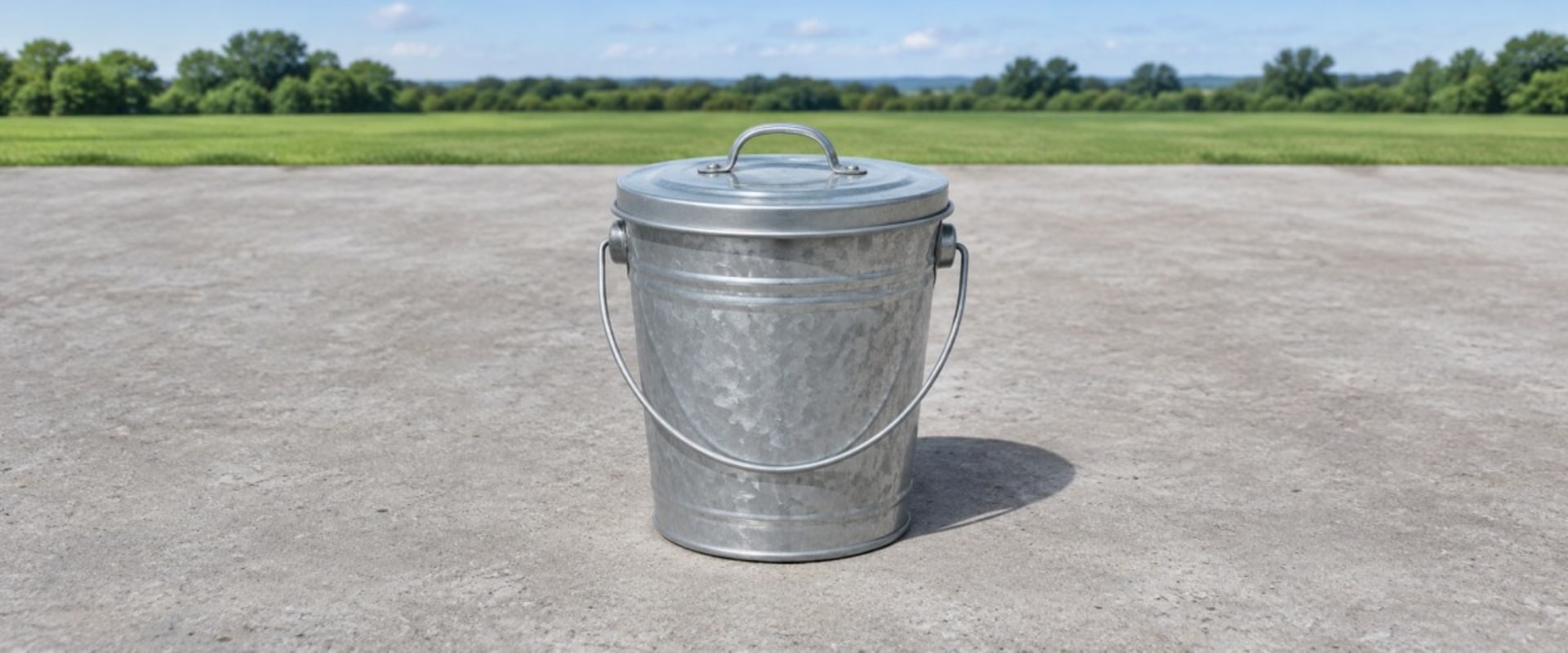
The U.S. Fire Administration's fireplace and wood-stove guidance calls for ashes to go into a metal container with a lid, kept outdoors at least 10 feet from the home. Its ash-disposal illustration specifies a tightly covered container and separation from other buildings too.
Choose the outdoor location as part of the household plan. A metal pail beside the fireplace is not the outdoor storage arrangement described in that guidance. Check the intended spot against the actual distances to buildings rather than estimating from a doorway.
Make the household routine explicit
Write down which container is for ashes, where it belongs and who will handle the task. Keep appliance operating instructions with that note. If several people use the fireplace, make sure each knows the same arrangement instead of relying on an unspoken routine.
Ask your local waste service about its ash-disposal requirements before placing material in household waste. Do not invent a universal waiting period: follow the fireplace or stove instructions and the applicable disposal guidance. If the instructions are missing, obtain them using the appliance's model identification.
Keep chimney service on its own schedule
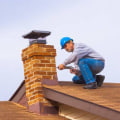
Ash handling does not replace inspection of the chimney. USFA recommends professional chimney inspection and cleaning each year. Arrange service separately and retain the findings; our overview of chimney maintenance and flue sweeping provides related background.
Use the service visit to clarify questions about the particular installation. Save the professional's advice alongside the appliance manual so future household decisions are based on the same information.